

Last Saturday, College GameDay took the extraordinary step of giving Texas Senator Ted Cruz a soapbox to promote controversial legislation. For a full ten minutes, Cruz argued for the passage of his Protect College Sports Act (PCSA), which he claims will “save” college sports and “protect” players. Cruz was relentlessly booed by the collegiate onlookers, which probably happened a lot during his undergraduate days.
Many questioned why the pre-kickoff show turned itself into a political prop. But this wasn’t the first time ESPN pushed the PCSA. Former Alabama head coach Nick Saban and personality Pat McAfee spoke positively about the bill the week prior. Saban has been the act’s poster boy, appearing in commercials and testifying in favor of the bill on Capitol Hill. As one might assume from the League of Extraordinary Assholes lining up behind the PCSA, the act is more sinister than its name implies.
In 2021, NCAA athletes gained the ability to profit from their Name, Image, and Likeness. While most players receive a few thousand dollars a season from school-specific NIL ‘pools,’ the superstars are making millions. (As they should.) The NIL era has given young players considerable bargaining power over coaches, who once held all the cards in recruiting discussions. Now, players are demanding lucrative NIL deals in exchange for their on-field play. It’s a simple bargain that every worker, no matter their age or education status, is entitled to make.
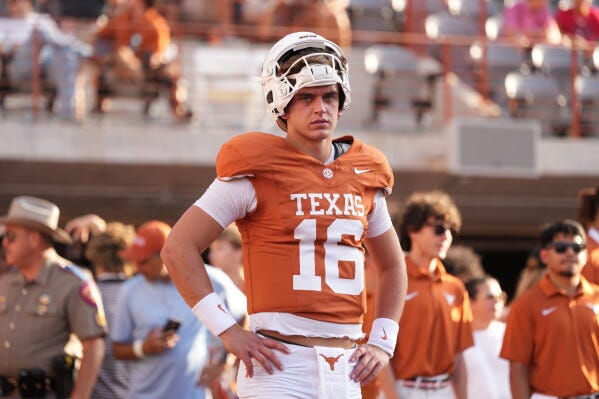
The NCAA dislikes the flow of money. But its real concern is that players are realizing their power and aren’t afraid to wield it. Since 2021, a string of high-profile lawsuits and legal proceedings brought by student-athletes have expanded their rights to claim wages, unionize, and pursue antitrust action against the NCAA. Pro and college leagues alike are living, breathing antitrust violations. For example, the NFL isn’t a company. It’s a non-profit that helps thirty-two different companies (the teams) collude to determine pay (salary caps), location (trades), and other employment conditions that would be illegal in any other industry. Like any other college graduate, athletes leave school with valuable skills. But unlike their peers, who go work for whatever software company they choose, athletes are assigned a specific city, company, and wage through the NFL draft. This is an illegal trust, but we let it slide because it entertains us on Sundays. The NCAA has many of the same anti-competitive regulations as the professional leagues. But its violations are even more egregious than the professionals because the NCAA doesn’t classify workers as employees, denying them pay and collective bargaining rights.
Of course, the NCAA wants to protect the unprecedented power imbalance that enriches schools, conferences, coaches, and executives at players' expense. Growing labor power, or dare I say, class consciousness, is a threat to their bottom line. So, they turned to the most craven man in politics, Ted Cruz. Hence the Protect College Sports Act.
