

It’s election week! Kansas, Michigan, and Missouri are holding primary elections today, with Tennessee following on Thursday. Several high-profile races will signal who is winning the battle for the hearts and minds of Democratic voters. On one corner, you have the Democratic establishment. Chuck Schumer, Hakeem Jeffries, AIPAC, and other dark money groups are backing conservative Democrats who largely support the status quo of the Democratic Party: they defer to current leadership, champion Israel, and have policy proposals that say “fight the middle class” and “take on Trump,” without specifying the policies they’ll use to do so. In the other corner, the progressive movement is fighting the establishment and running on ideas popular with the public, but have yet to emerge in the halls of power. These candidates are backed by the Democratic Socialists of America, Justice Democrats, and other left-wing and grassroots organizations that the establishment loves to hate.
Here are the key races to watch, and what their results will mean for the future of American politics.
Abdul El-Sayed, MI-U.S. Senate
The most watched race of this cycle, Abdul El-Sayed has a chance to disprove the narratives about who is “electable.” The Michigan Senate Democratic Primary gave voters the full array of politics represented within the Democratic Party. None are surprised that Haley “Israel comes to me in my dreams” Stevens was Chuck Schumer’s hand-picked candidate for the Senate, and he put his thumb on the scale for her throughout the contest. El-Sayed isn’t a socialist, but his advocacy for Medicare for All and an end to the Gaza genocide puts him in the progressive lane. Mallory McMorrow tried to triangulate between the two as the “responsible progressive.” But neither the Zionist center nor the progressive left wants half measures, which led to McMorrow’s early exit.
Multiple polls have shown El-Sayed with a double-digit lead over Stevens. But you never know. Over $60 million in dark money and AIPAC money has carried Stevens to the finish line, raising serious concerns about her electability. After all, if you can only win with billionaire money, it’s a sign that your politics and message aren’t resonating on their own. Stevens has also resorted to outright bigotry to defeat El-Sayed. The majority of her cash has been used to portray the Muslim-American doctor as an antisemite, misogynist, and most confusingly, anti-Black.
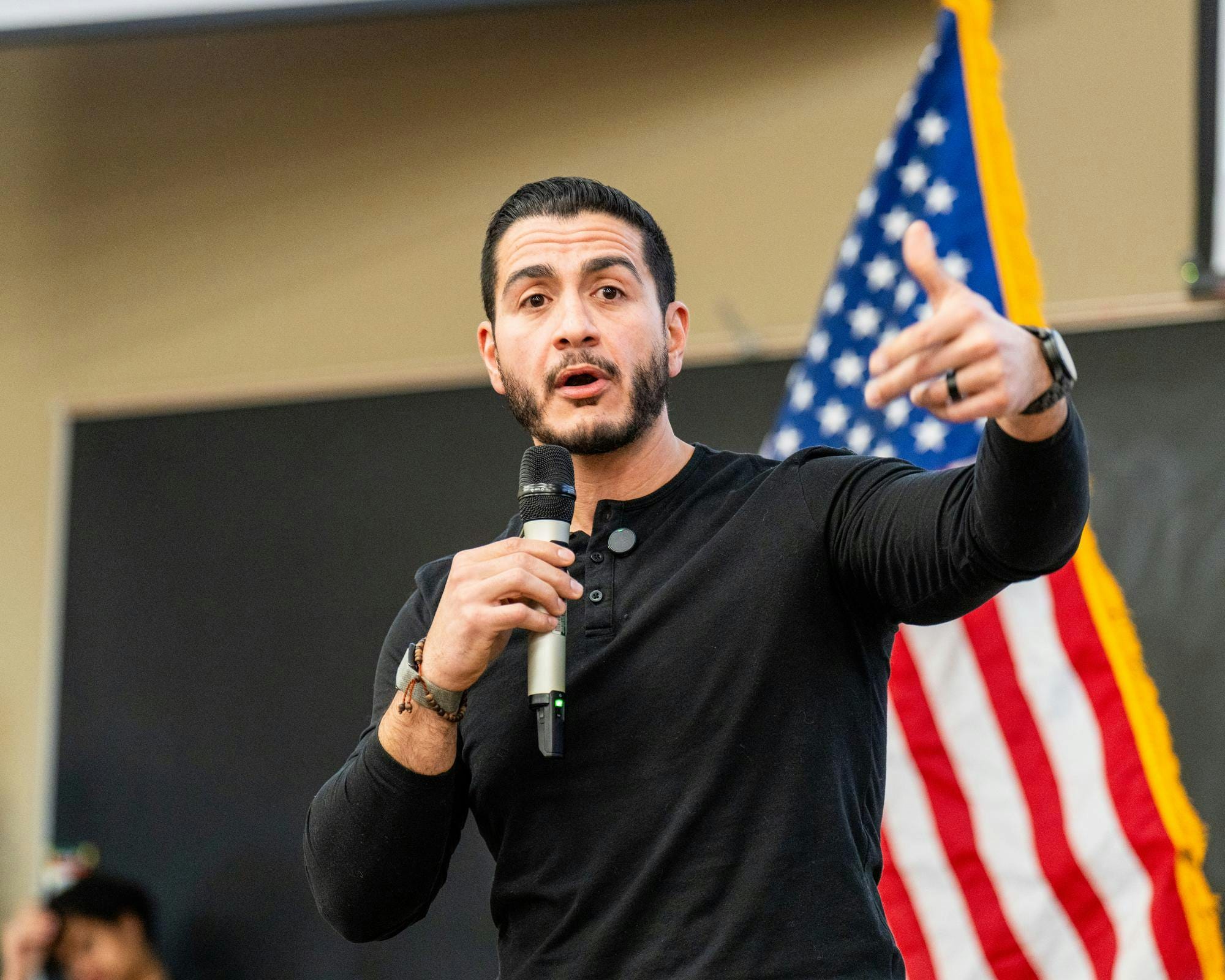
The stakes of the race could not be more evident. On one side is a populist insurgent backed by grassroots energy running on leftist policies popular with the American public and Democratic electorate. On the other side is a Chuck Schumer-chosen Zionist who has doubled down on Israel and seems to only offer the same hollow platitudes that voters have tired of. For years, the establishment has defended its milquetoast conservative centrism as the only way to win in a swing state such as Michigan. (Trump won Michigan by two points in 2024.) We won’t know the veracity of this campaign until after the November general election. But what we know after the primary is whether swing-state Democratic voters, the most conservative of the Democratic coalition, will choose the progressive or moderate arguments. If Stevens can’t even win a primary amongst a conservative voting group, it’s lights out for the establishment’s “electability argument.” After all, if you can’t win an election, you’re not electable!
This race also has larger implications, specifically for 2028. How Abdul El-Sayed performs will be a weathervane for the national mood. If Trump-voting states elect an Egyptian, Muslim doctor who advocates for Medicare For All, then I think it’s much more likely Alexandria Ocasio-Cortez runs for president. Franchesca Hong’s August 11th primary for Wisconsin Governor will give us more data on this point. If a self-described socialist can win statewide where Kamala Harris lost, it’s hard to argue an AOC run wouldn’t have a serious chance of success.
Cori Bush, MO-1, National DSA-endorsed
Cori Bush is one of the most underrated figures in leftist politics. From healing injured protestors during the Ferguson Uprising to winning an eviction moratorium by sleeping on the Capitol steps, Bush has consistently put her body on the line to help those in need. This race is unique, as it is a rematch of the 2024 matchup that unseated Bush from Congress. Back then, Wesley Bell’s campaign received significant AIPAC backing, making the 2024 MO-1 primary the second most expensive primary in American history. (The first was George Latimer’s defeat of DSA-endorsed Jamaal Bowman, which also took place in 2024.)
This time, Wesley Bell is backed by AIPAC and the Democratic establishment, while Bush is carrying the DSA torch. While the race hasn’t reached last cycle’s $9 million price tag, the same dynamic is at play. Cori Bush raised $1.3 million, compared to Bell’s $3.6 million. Outside spending has, predictably, come in heavy for Bell. AIPAC’s shell group The United Democracy Project has spent $2.5 million for the incumbent, and New Democrat Majority PAC, the spending arm of Blue Wave consulting group, has spent another million.
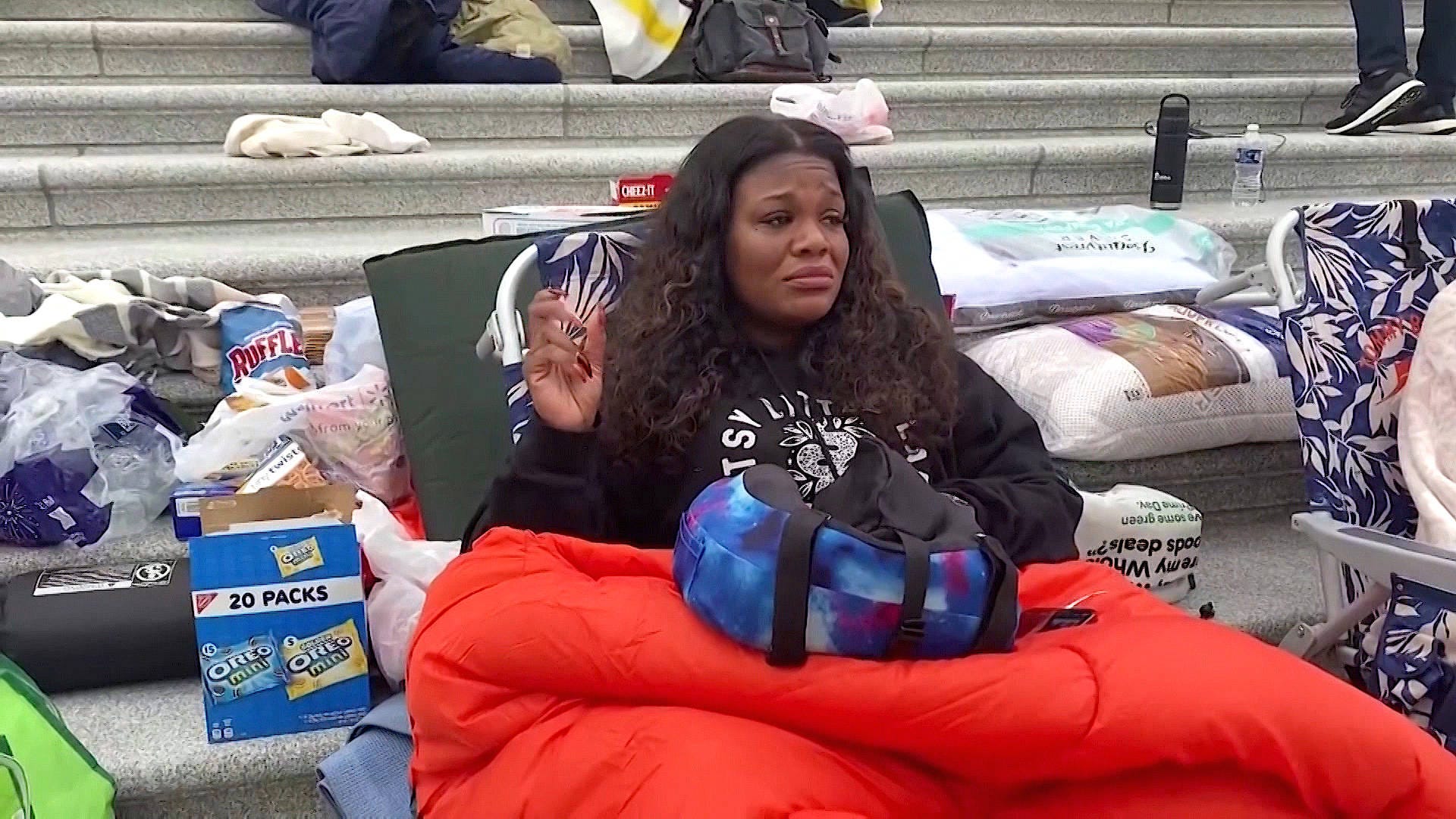
In my view, this race is a toss-up. There’s not a lot of polling for Missouri’s 1st. The only reputable poll I’ve seen has Bell leading over Bush, 44% to 40%. That said, the poll has a 5.4% margin of error, Bush’s favorability is higher than Bell’s, and Bell’s commitments to ICE and Israel are weighing him down. Like the Michigan Senate primary, there’s little argument that the left candidate has the more popular ideas and is in line with the voting base. As I wrote last week, this race shows that the left has won in The Marketplace of Ideas™️. All polling indicates voters prefer Bush’s policies, but whether we can overcome the establishment’s entrenched political advantage and their Scrooge McDuck-level coffer is another question.
Cori Bush made a bold statement during her 2024 concession speech in which she was coming to tear down AIPAC’s kingdom. That kingdom has high walls, a vast treasury, and soldiers ideologically committed to keeping Israel-critics such as Bush out of Congress, no matter the costs. This election will give us good data on AIPAC’s strength in the near future.
Donavan McKinney, MI-13, National DSA-endorsed
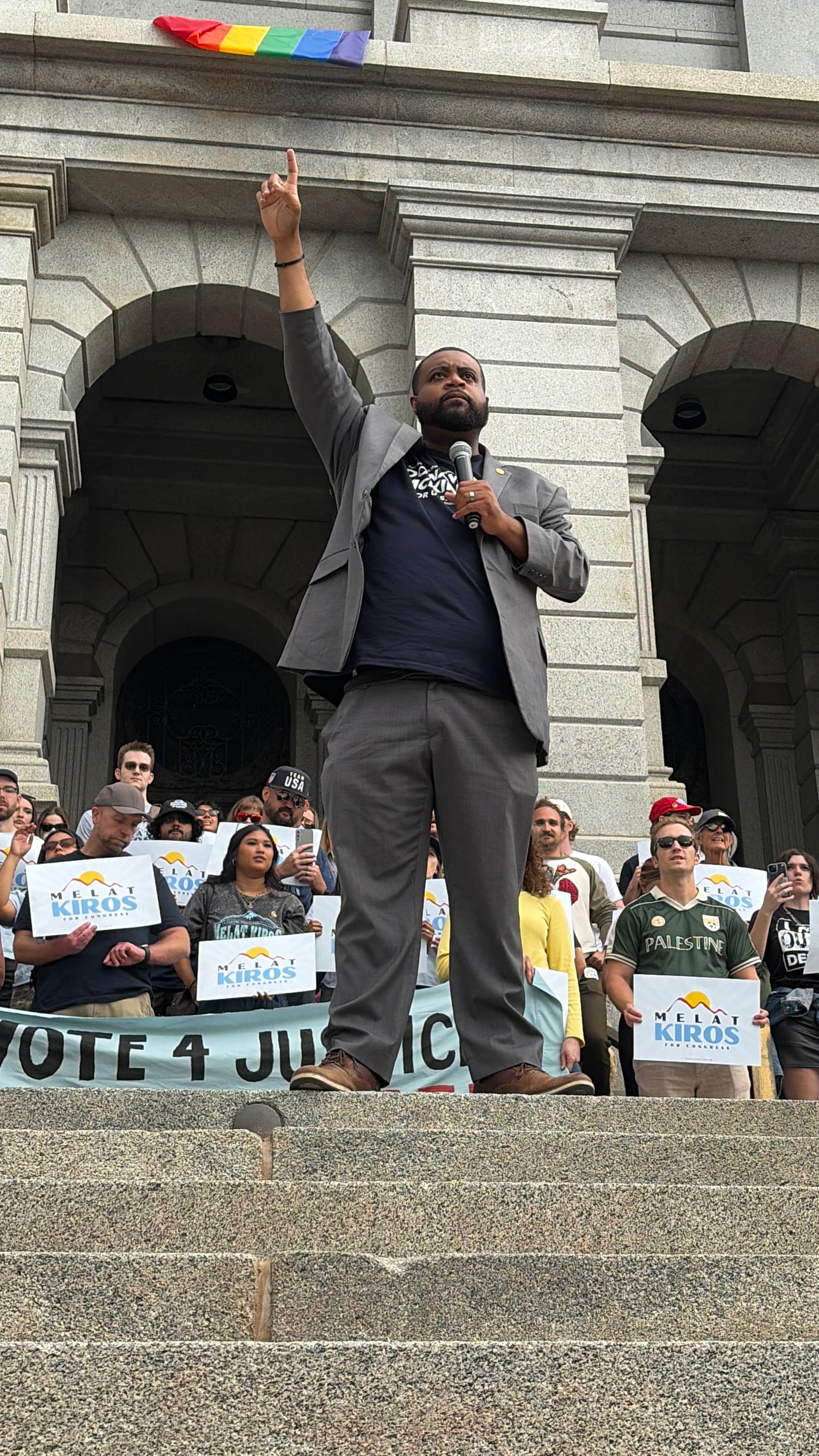
I got to hang out with Donavan a bit while he was in Denver to support Melat Kiros’s campaign. Truly a good dude. My personal fondness aside, McKinney is a stalwart labor champion who could greatly boost DSA’s profile if elected to Congress. A former union organizer with the Service Employees International Union, McKinney is backed by nearly every union in the race. Most crucially, the United Auto Workers, who represent Michigan’s iconic auto industry workers. I want McKinney to win for numerous reasons. Chief among them, I despise how the media talks about unions and labor as the “white working class.” The typical union worker isn’t a socially conservative coal miner with a MAGA sticker on his lunch box. Black people are the most unionized racial group, and it’s time to start giving Black labor the respect it deserves. I think a Black labor organizer who can eloquently speak about what labor actually is, and not the caricature it’s been turned into, is powerful in more ways than one.
The race for Michigan’s 13th is a bit weird. The incumbent, Shri Thanedar, made billions in the pharmaceutical industry before buying his way into Congress in 2023. He’s what you expect from a pharmaceutical capitalist. His early campaign was plagued by scandals involving his lab’s abuse and abandonment of test animals. A big fan of Israel, Thanedar occupies the peculiar #epicbacon tech bro personality, not unlike Elon Musk, Colorado Governor Jared Polis, or the worst guy from high school you still follow on Instagram.
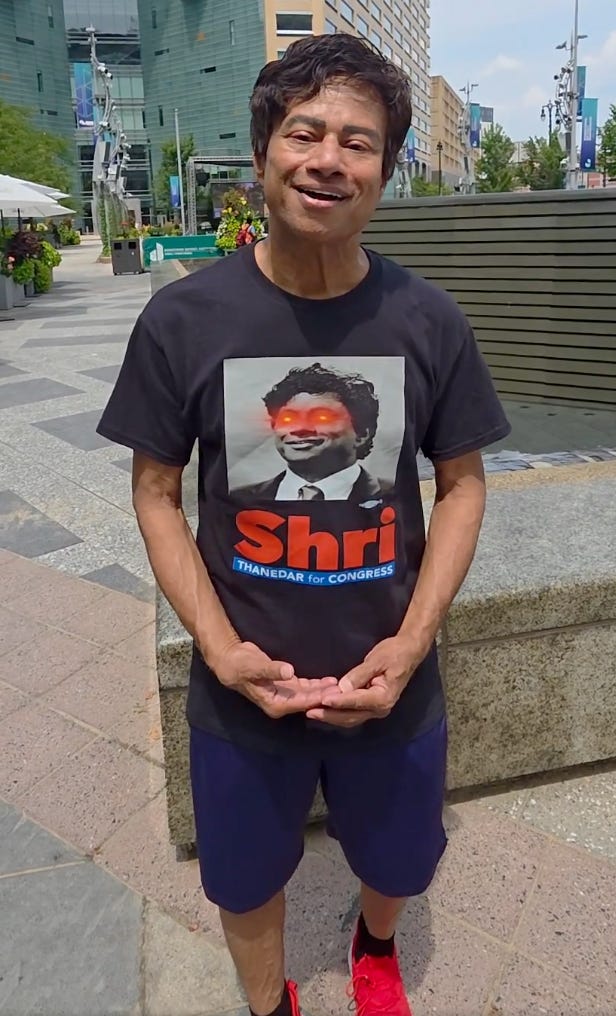
As expected, Thanedar is strongly backed by Democratic leadership. House Leader Hakeem Jeffries, Democratic Whip Katherine Clark, and House Democratic Caucus Chair Pete Aguilar all endorsed Thanedar’s re-election. Usually, this means McKinney would be on his own. But in an unusual move, many House Democrats broke with leadership to endorse McKinney. He received extensive support from members of the Congressional Black Caucus, and for good reason. The district is majority-black, so I’m not surprised to see Black representatives back a working-class Black man over a billionaire conman. This is the toughest primary Thanedar has faced, and the flood of endorsements to McKinney shows he’s weak and almost friendless. That said, Democratic leadership is a powerful force, and Thanedar recently received $2 million in crypto lobby donations, on top of his personal expenditures.
If Thanedar’s outsized spending helps him hang on, it will be a victory for Hakeem Jeffries. But if McKinney topples Jeffries’s personal pick, it would be another feather in the cap of DSA and Bernie Sanders, whose endorsees have, so far, cut through Democratic leadership’s picks like a hot knife through butter.
While not every progressive candidate I like is DSA-endorsed, DSA is the vanguard of a larger progressive, anti-establishment movement. The Democratic Socialists of America have become a boogeyman for both the right and center, and for good reason. We’ve chalked up thirty-eight wins this year already, defeating some of the Democratic establishment’s strongest soldiers. House Hispanic Caucus leader Adriano Espaillat fell to Darlializa Avila Chevalier, and 30-year-incumbent Dianna DeGette was ousted by Melat Kiros. While the names mentioned above have gotten the most attention, DSA’s model works because the so-called Big Names are supported by the Little Names. Not just in endorsements and cross-promotion, but in the continuous work of building hard political power and soft cultural power. This is why DSA’s biggest names, such as presidential contender Alexandria Ocasio-Cortez, are endorsing DSA candidates for New York state assembly. Every victory amplifies the others, accruing power, influence, and popularity from the ground up.
For federal races, local DSA chapters have endorsed Hartzell Gray III (MO-4), Kyle Blomquist (MI-1), and Dr. Nila Devanath (VA-02). Gray has a significant challenge. He’s taking on incumbent Jeanette Cass in a district racially gerrymandered moments after the Supreme Court repealed key parts of the Voting Rights Act (which was unconstitutional, by the way). The district’s demarcation line is now Troost Avenue, the historic dividing line between White and Black communities in Kansas City. Much like Oliver Larkin running in recently-redistricted Florida, this change will serve its purpose of aiding the more conservative candidate in both the Democratic primary and the general election.
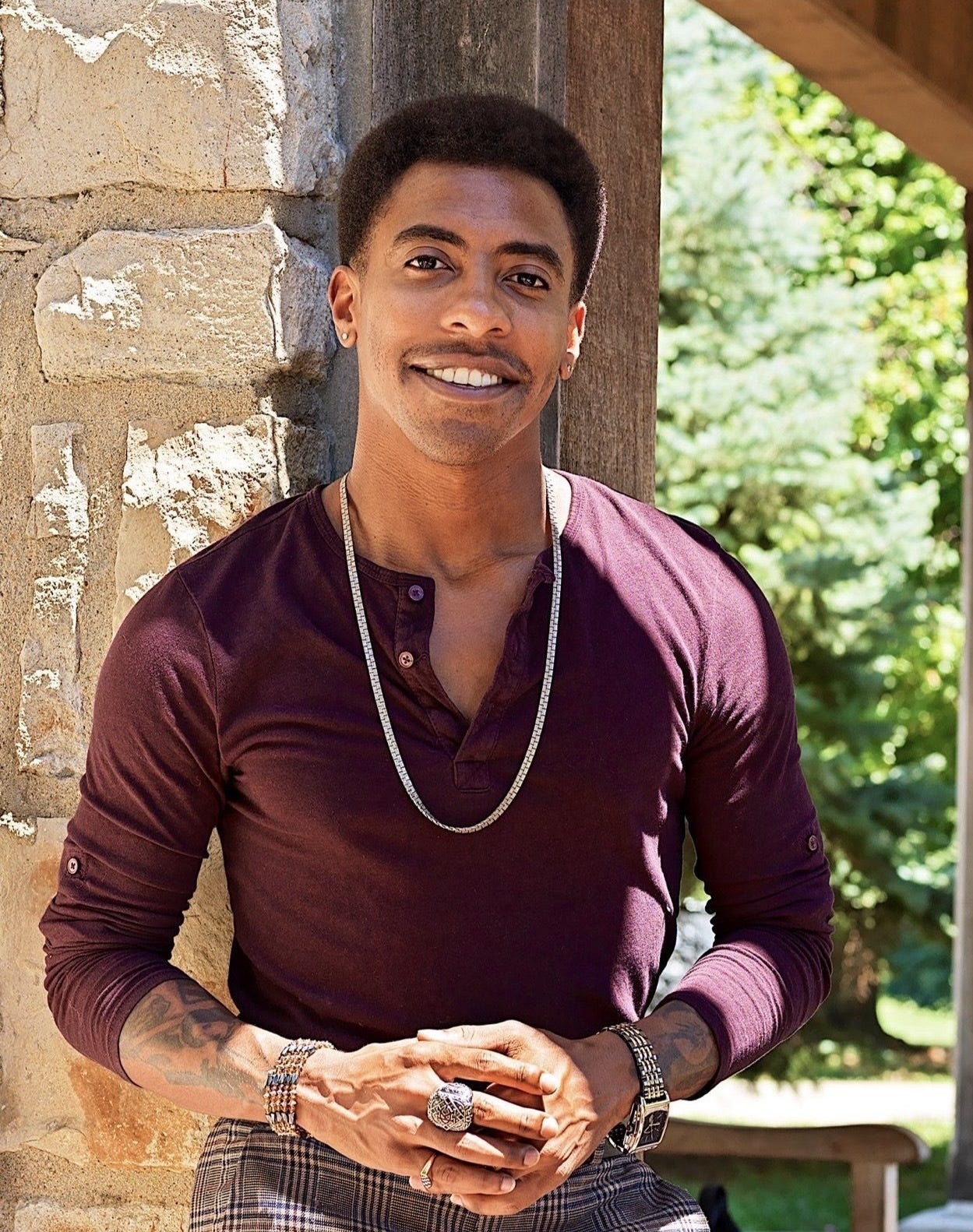
Kyle Blomquist is running for Michigan’s 1st district in a situation similar to the one El-Sayed faced a few months ago. Blomquist is in a three-way race against two more conservative opponents. The more effective opponent is Callie Barr, who is endorsed by Pete Buttigieg and has led the fundraising efforts, over quadrupling Blomquist’s intake. Gray’s predicament is common among other DSA and progressive insurgent candidates. He faces a visibility issue, and this election will be a stress test of how effective the progressive movement is at generating attention to lesser-known races.
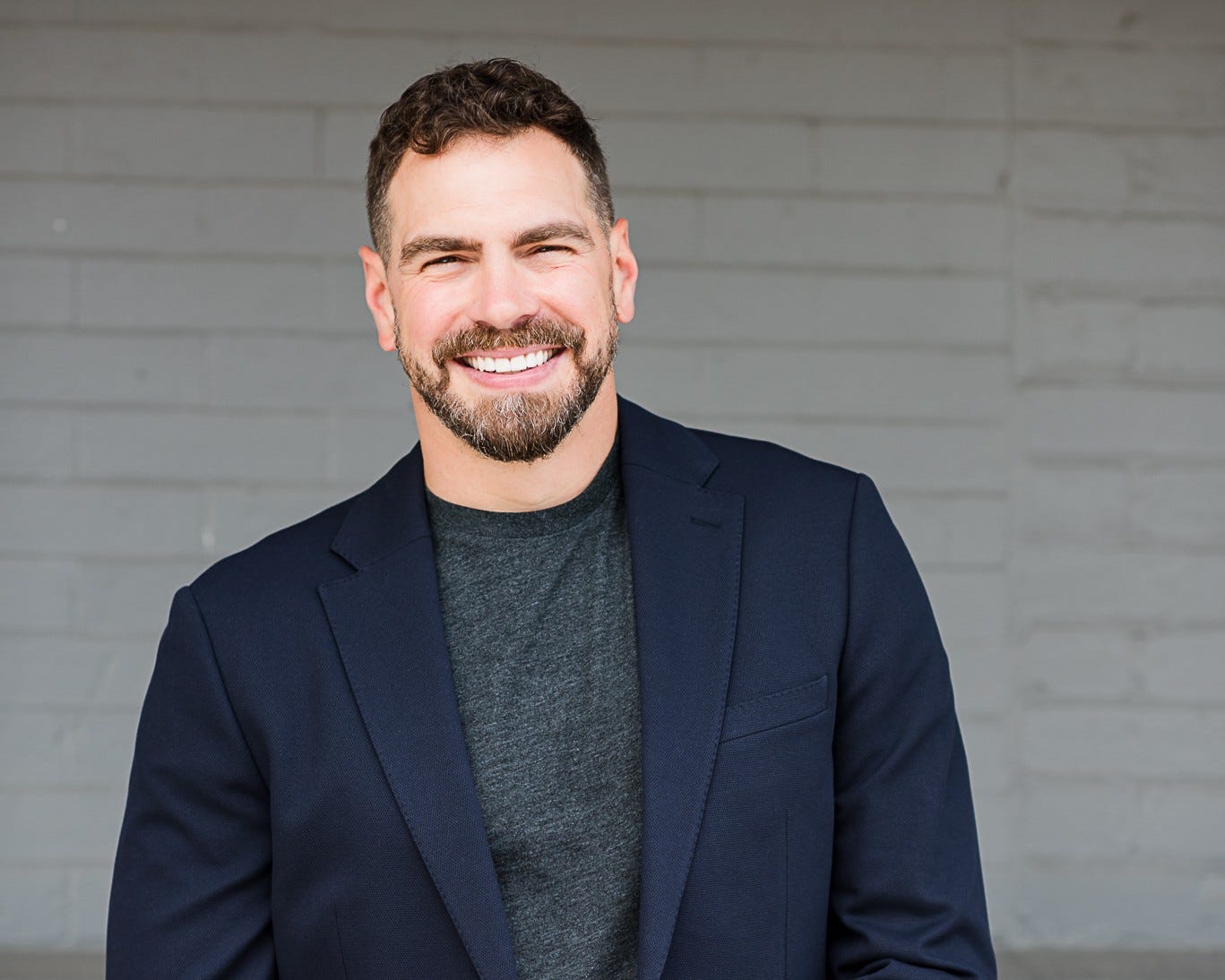
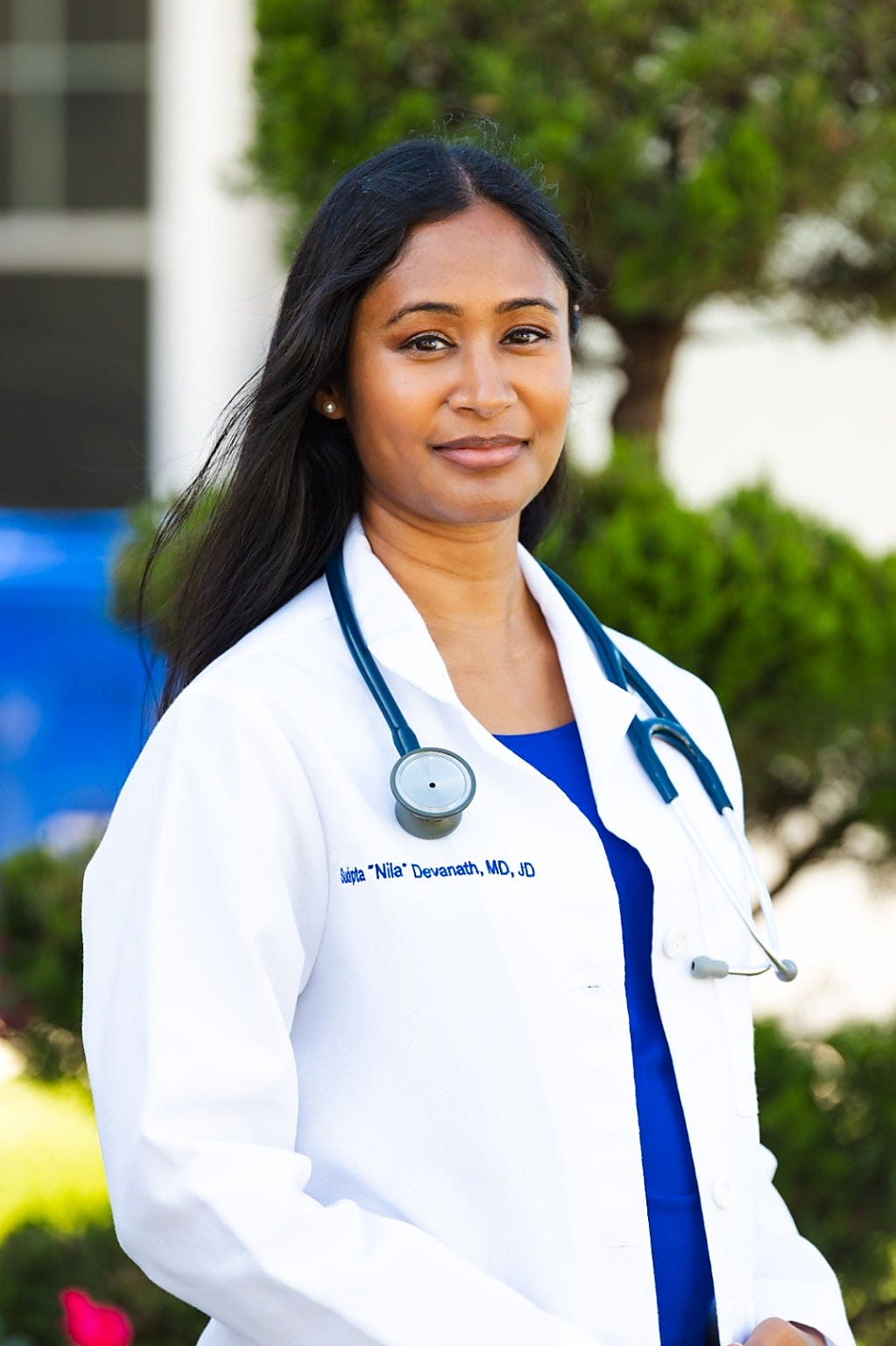
DSA’s only endorsed candidate in Virginia is Dr. Nila Devanath, a physician and lawyer who is centering family wellbeing in her campaign for Virginia’s 2nd seat. In addition to Medicare for All, she’s running on ending the Israeli occupation of the West Bank and Gaza, earning her the endorsement of the U.S. Campaign for Palestinian Rights. Currently, Devanath is behind the frontrunner, Elaine Luria. Luria held the Virginia 2nd seat before being ousted by the current incumbent, Republican Jen Kiggans. Luria is a good example of how conservative Democrats’ pleas for “electability” are really just a shell to protect their conservative ideology. We know Luria isn’t the most electable, because she already lost this exact district to this exact Republican! Still, the establishment has lined up behind her. All the Chuck Schumer identity groups (Emily’s List, Vote Vets) are supporting her, as are conservative Democrats such as Jason Crow. Luria has raised a whopping $4.7 million so far, drowning Devanath’s $286,000. I sound like a broken record, but, like every other DSA candidate on the ballot, Dr. Nila Devanath is in the people vs. money dynamic that runs through almost every Democratic primary this cycle.
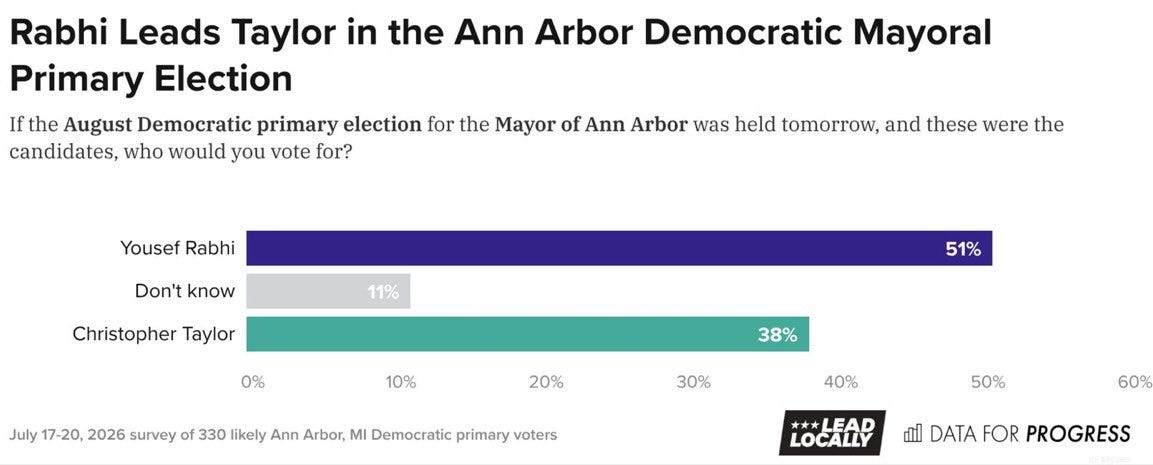
Returning to Michigan, DSA has another opportunity to pick up a crucial mayor’s seat. Yousef Rabhi is running for Mayor of Ann Arbor, with a strong lead headed into election day. The Democratic incumbent, Christopher Taylor, is backed by Gretchen Whitmer and Elissa Slotkin. But Rabhi’s affordability campaign, which is backed by Bernie Sanders and Abdul El-Sayed, has given him the edge. It’s hard not to look at Rabhi’s campaign and see Ann Arbor voters’ eyes tempted by the glimmer of Mamdanistan. In addition to hard power, DSA’s continued success is giving us soft power. The cultural jubilation under Mamdani’s leadership is now the envy of many Democratic voters, and they seem to be leaning towards candidates who are singing Mamdani’s tune. Yousef Rabhi’s election will give us good data on how far Mamdani’s light is shining.
These are not the only DSA candidates I’m excited about. Nor are they the only impactful races I’ve got my eye on. It’s a sign of the left’s success that there are simply too many DSA-endorsed and progressive candidates for me to cover them all.
Whatever the results may be, three things are for certain. First, the left has the Democratic establishment fighting off the back foot. Democratic donors and interest groups are spending heavily to protect unpopular incumbents, and even a few challengers. This is not to say the left’s challenge is impervious. The battle for public opinion enables us to fight the political battles. After the Citizens United decision and the Democratic establishment’s abandonment of campaign finance reform, conservative Democrats are flush with corporate PAC and wealthy donor money. Money and power, not popularity, is the left’s biggest obstacle.
Second, there’s going to be the mother of all establishment-media overreaction. If DSA candidates perform well, defeated fundraisers and operatives will run to Politico and The New York Times to call their own voters antisemitic. If DSA stumbles, they’ll run to Politico and The New York Times to say our previous victories were a red mirage. (I wouldn’t be surprised if many of these response articles are pre-emptively written and waiting to be published.) Brace yourself. Nuclear takes are coming.
The third thing we can say for sure is that the left marches on. Our recent success is not an accident, nor have our opponents been caught asleep at the wheel. If we lose, we learn, regroup, and try again. That’s how we got to where we were, and it’s how we’ll keep progressing.
I’ll see you on the other side.
If you appreciated this essay, please click the ❤️ to help it rise in Substack’s algorithm. Don’t forget to subscribe so future articles are delivered to your inbox. If you’re a returning JoeWrote reader, consider supporting my work with a premium subscription. For the cost of just one cup of coffee a month, you can help me keep creating content like this. Plus, you unlock everything JoeWrote has to offer.
Thanks in advance!
In Solidarity — Joe
With regards to McKinney: Blue Wave (or whoever) can spam us all day with texts; the reality in 2026 is that elections are won in places like church basements, break rooms, gate houses, and job sites. And yeah, the union guy caricature might’ve worked in 1996, but it’s light years from reality today.
Which leads me to my second point:
A lot of the establishment left came of age—and power— in the early to mid 90s. This contingent is very much still around, only now they’re fretting about “electability” and their idea of a ground game is having people host $50/plate brunches in affluent suburbs. Ask me how I know this. Lol.
It’s all a symbol of the huge economic and generational gap w/in the left overall. We (the left) should be championing the dynamism and moxie of these younger candidates; and really, they’re pushing for changes most of us want; they’re just being loud enough about it to worry the gentry.
P.S. on a personal note- I voted for Hong in the primary not just because our values more or less align, but because I want someone in office that’s done shift work, and that’s worn a uniform to a job (pantsuits to the law office don’t count).